


A lake might seem calm on the surface, yet beneath it can hide low oxygen, foul smells, and algae troubles. That is why improving circulation matters. Here is a quick look at a few techniques that keep lake water healthier and moving.
Why Good Equipment Matters
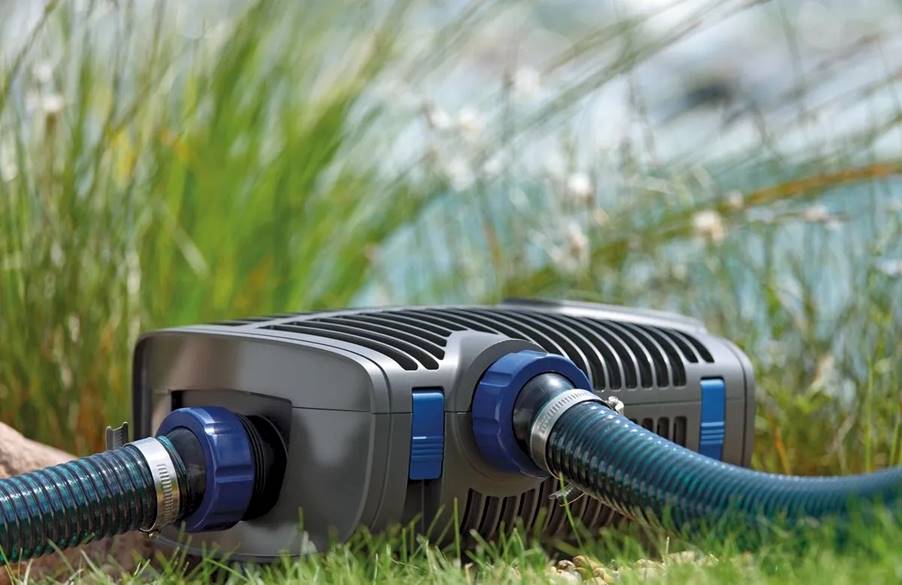
Before getting into the nitty-gritty, it is worth talking about tools. Many lake owners actually rely on Oase Pond equipment, mostly because the engineering is solid and the systems just work. I came across That Pond Guy, a supplier that stocks a full range of Oase gear.
They mention how both hobbyists and lake-care professionals widely use Oase pumps, aerators, and filters. The brand’s focus on efficiency, durability, and water innovation really shows. If you are starting from scratch, these products are worth a peek.
1. Aeration: The Heartbeat of Lake Circulation
If you had to pick just one method to keep water moving, aeration might win.
Some of the benefits include:
- Stronger oxygen levels from top to bottom.
- Gentle mixing of the water column as bubbles rise upward.
- Reduced stagnation so those eerie “dead zones” don’t form.
- Healthier fish thanks to a more stable environment.
Aeration systems come in different styles, but diffused-air models are popular because they send oxygen straight from the bottom upwards. It is simple science, but it works brilliantly.
2. Breaking Up Water Layers
Many lakes develop layers, warm on the top, cold underneath, and the two barely interact. This layering traps oxygen above and starves the deeper sections.
To fix that, lake managers use mixing systems. These tools:
- Break apart the warm/cold layers.
- Allow oxygen to reach deeper zones.
- Bring nutrients up where they can be used properly
- Help keep the whole lake more stable through seasonal shifts.
This technique is commonly recommended in lake-restoration guides and is especially useful for medium or large lakes.
3. Deep-Water Oxygenation
Some lakes are deeper than they look, which means typical surface aeration may not touch the lower layers.
It helps by:
- Delivering oxygen straight into deep pockets of water.
- Preventing toxic gases from building up.
- Reducing nutrient release from bottom sediments.
- Lowering the chances of algae blooms later on.
It is like giving the lake a breath of fresh air, exactly where it is suffocating.
4. Pair Circulation with Proper Sediment & Nutrient Management
Circulation alone cannot fix everything all the time. Lakes dealing with runoff or old sediment buildup might need a combo approach. Some helpful add-ons include:
- Nutrient-control treatments for phosphorus-heavy lakes.
- Beneficial bacteria that feed on organic muck.
- Routine sediment checks to avoid future water-quality dips.
- Biological or natural filtration if the lake is fed by streams or gardens.
Once circulation improves, these treatments tend to work even better.
A Quick Wrap-Up
Healthy lake circulation is really about keeping things moving – oxygen, nutrients, water layers, the whole system. Aerate, mix, oxygenate deep zones when needed, and pair it with good sediment care. Do that, and even a tired-looking lake can slowly shift back into something vibrant and full of life.